ERV & HRV Installation Bay Area
An ERV (energy recovery ventilator) or HRV (heat recovery ventilator) brings continuous fresh outdoor air into a home or building while recovering the energy — heat in winter, coolness in summer — from the air being exhausted, so ventilation doesn’t spike your energy bill. Flow MEP installs and balances ERV/HRV systems for Bay Area homes and commercial buildings, including systems required for Title 24 compliance on new construction and major remodels.
ERV vs. HRV: What’s the Difference
Both systems work the same basic way — exchanging stale indoor air for fresh outdoor air through a core that transfers energy between the two air streams — but an ERV also transfers moisture, while an HRV only transfers heat. In California’s climate, ERVs are more common because they help manage humidity along with temperature, which matters for homes that are tightly sealed for energy efficiency.
Why Modern Homes Need Mechanical Ventilation
Newer and recently remodeled homes are built tighter than older construction — better for energy efficiency, but it also means less natural air leakage bringing in fresh air. Title 24, California’s energy code, requires mechanical ventilation in new construction and many remodels as a result. An ERV or HRV meets that requirement without just cracking a window and losing the conditioned air you’re paying to heat or cool.
Installation & Balancing
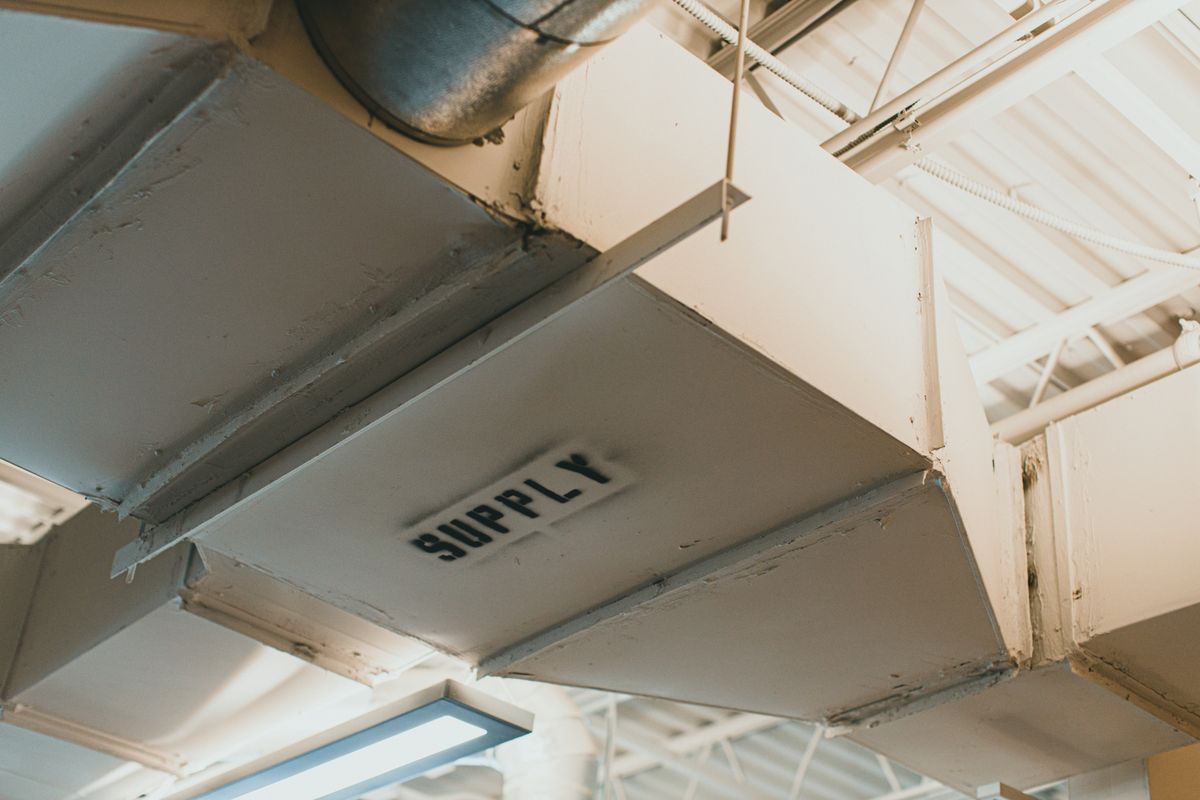
Installing an ERV or HRV means running dedicated supply and exhaust ductwork, mounting the core unit, and — critically — balancing the system so it brings in exactly as much air as it exhausts. An unbalanced system can pressurize or depressurize a house, which causes its own problems, including backdrafting from combustion appliances and moisture issues. We test and balance every system after install, not just mount it and leave.
What's Included
FAQs
Many new-construction and remodel projects trigger a Title 24 mechanical ventilation requirement, which an ERV or HRV satisfies. Whether your specific project requires one depends on the scope of work and your jurisdiction — we can help you confirm this.
Ready to get started?
Call us or book online. Our technicians typically respond within 24 hours.