Standby Generator Installation Bay Area
A standby generator installation wires a backup generator into a home or building's electrical system through an automatic transfer switch, so power switches over automatically during a utility outage instead of requiring extension cords or manually flipped breakers. Flow MEP handles the electrical side of generator installation — transfer switch wiring, circuit selection, and permit coordination — for residential and commercial properties throughout the Bay Area.
How Standby Generators Work
A standby generator sits outside the home or building and starts automatically within seconds of a power outage, using an automatic transfer switch to disconnect from utility power and connect to the generator, then switches back once utility power returns. Portable generators, by contrast, require manual setup and extension cords or a manual transfer switch each time they’re used.
Whole-House vs. Partial (Critical Load) Backup
Not every circuit needs to run during an outage. A critical-load transfer switch backs up a defined set of circuits — refrigerator, some lighting, a sump pump, a home office — sized to a smaller generator. Whole-house backup covers everything, including HVAC, but requires a larger generator and correspondingly larger fuel supply and installation cost.
We size the transfer switch and generator to what you actually want backed up, not the largest option available.
Electrical Installation & Permits
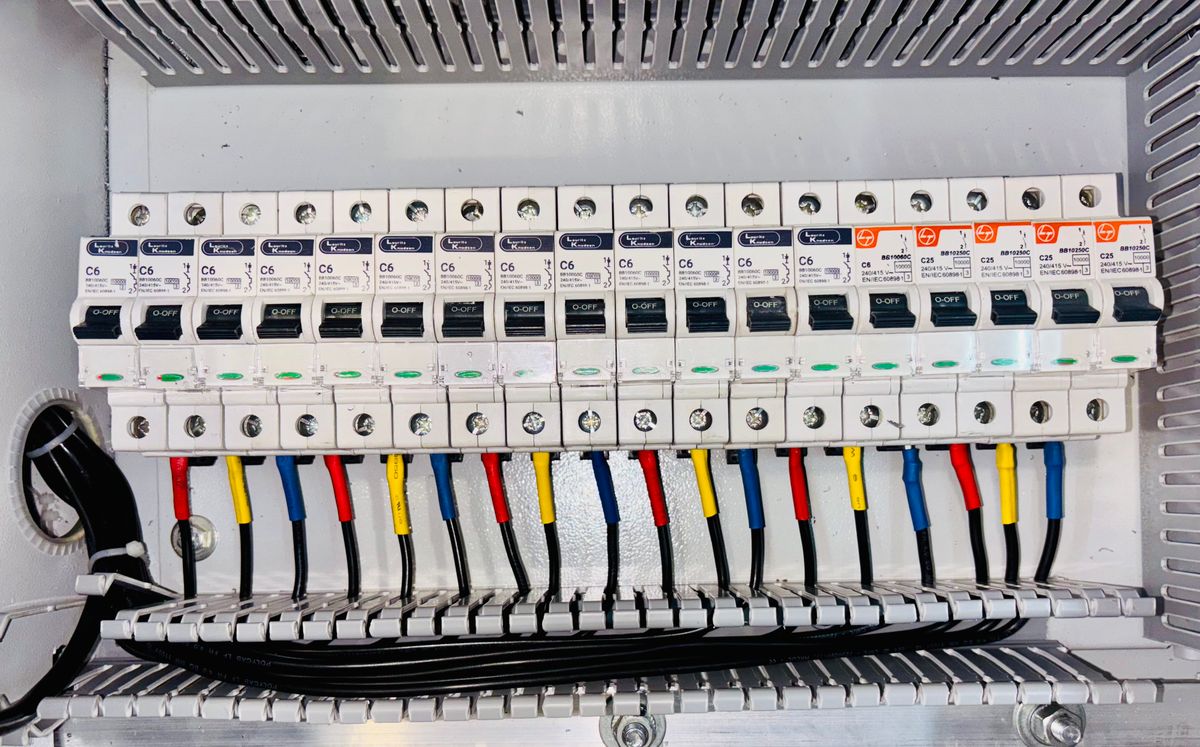
Generator installation involves wiring the transfer switch into your existing panel — or installing a subpanel dedicated to backed-up circuits — running conduit and wiring to the generator's pad location, and coordinating the gas or propane hookup with the appropriate trade if the generator isn't diesel. Permits and inspection are required in every jurisdiction we work in, and we handle both as part of the installation.
What's Included in a Generator Installation
FAQs
Yes, an electrical permit and inspection is required, and in most jurisdictions the generator pad placement has setback rules we account for as well.
Related Services
Ready to get started?
Call us or book online. Our technicians typically respond within 24 hours.