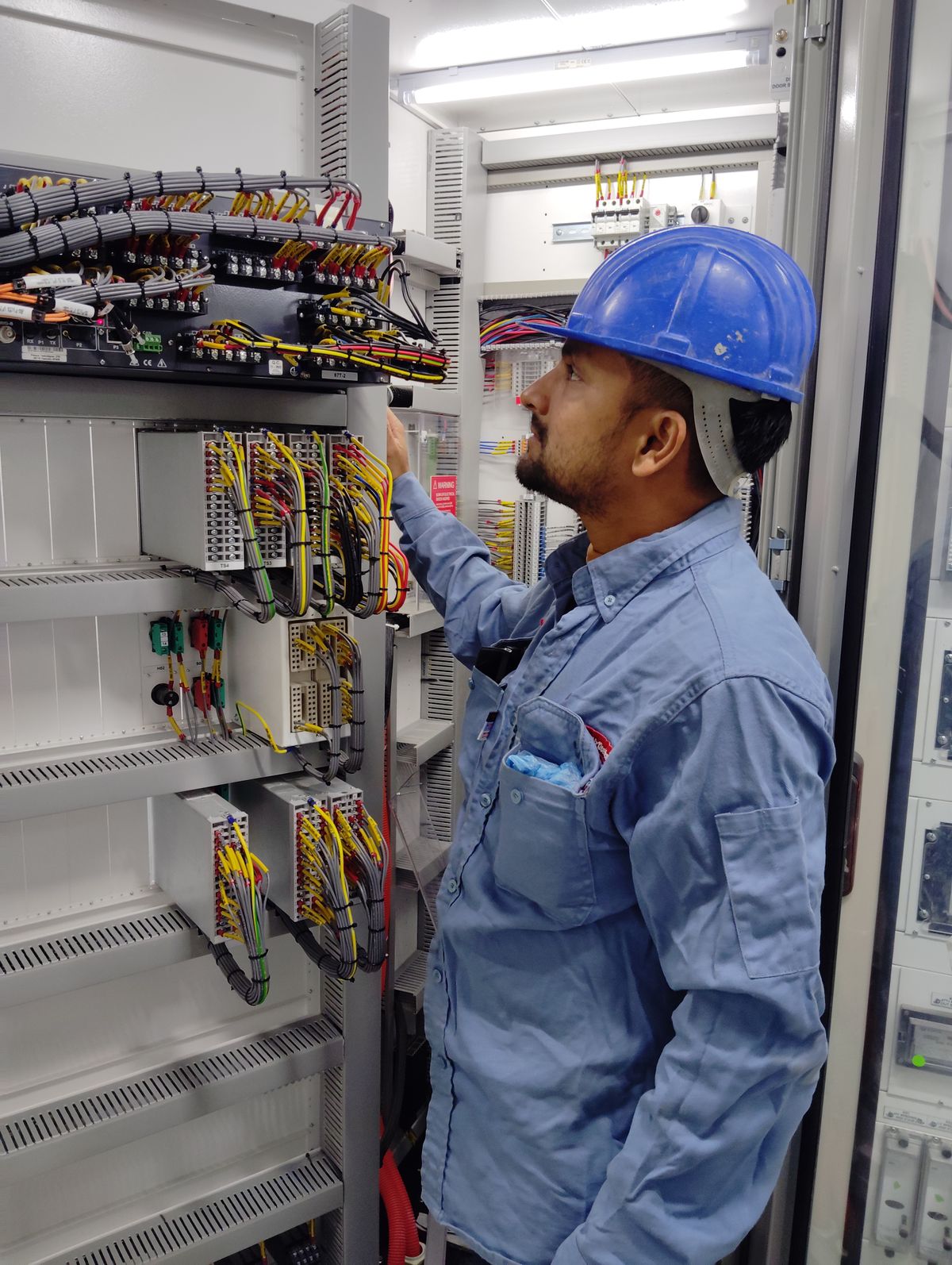
Electrical Panel Upgrades Bay Area
A panel upgrade replaces an undersized or outdated electrical panel — commonly 100-amp service in older Bay Area homes — with a higher-capacity panel, typically 200 amps, that safely supports modern loads like EV chargers, heat pumps, and home additions. Flow MEP handles the full process: load calculation, permit, installation, and utility and inspection coordination, for both residential and commercial properties.
Signs Your Panel Needs an Upgrade
Many Bay Area homes built before the 1980s were wired for 100-amp electrical service — enough for lights, a refrigerator, and a window AC unit, but not for the demands of a modern household. If breakers trip when the microwave and AC run together, your panel still uses fuses or a mix of tandem breakers to squeeze in extra circuits, or you're planning to add an EV charger, heat pump, induction range, or ADU, it's worth having the panel evaluated.
A licensed electrician can usually tell within one visit whether a panel is at capacity. We check the panel's rated amperage, look at what's already on each circuit, and calculate the home's total electrical load before recommending anything — no upgrade gets sold that a home doesn't actually need.
100-Amp vs. 200-Amp Panel Service
100-amp panels were standard through the 1980s and can still work fine for smaller homes without high-draw equipment. But add a Level 2 EV charger (often 40-50 amps on its own), an electric heat pump, and an induction range, and a 100-amp panel runs out of headroom fast. 200-amp service is now standard for new construction and most upgrades, giving enough capacity for today's appliances plus room to add circuits later without a second upgrade.
For larger homes, all-electric houses, or properties adding significant equipment — a pool, EV charging for multiple vehicles, an ADU — we calculate whether 200 amps is enough or whether a larger service size makes more sense.
The Panel Upgrade Process
A panel upgrade starts with a load calculation — the same calculation the city inspector will check against. From there we coordinate with your utility to schedule the service disconnect, pull the required permit, install the new panel and any new breakers or subpanels, and land it correctly to code. Most residential panel upgrades take one working day, though the exact timeline depends on utility scheduling for the disconnect and reconnect.
Once the panel is installed, we schedule the city inspection and stay on the job until it's signed off, so you're not left managing permit paperwork or inspector scheduling yourself.
Panel Upgrades for Commercial Properties
Commercial panel and service upgrades follow the same core process but at higher amperage and often 3-phase power, with load calculations that account for tenant improvements, HVAC equipment, and code requirements specific to the occupancy type. We work directly with property managers and general contractors on tenant improvement projects, coordinating around occupied space and business hours where needed.
What's Included in a Panel Upgrade
FAQs
It comes down to your home's total electrical load. We calculate what your existing and planned equipment — HVAC, EV charger, appliances — actually draws, then size the panel to that number with reasonable headroom, rather than defaulting to the largest option.
Related Services
Ready to get started?
Call us or book online. Our technicians typically respond within 24 hours.